Inflation Makes Room for Private Label Growth
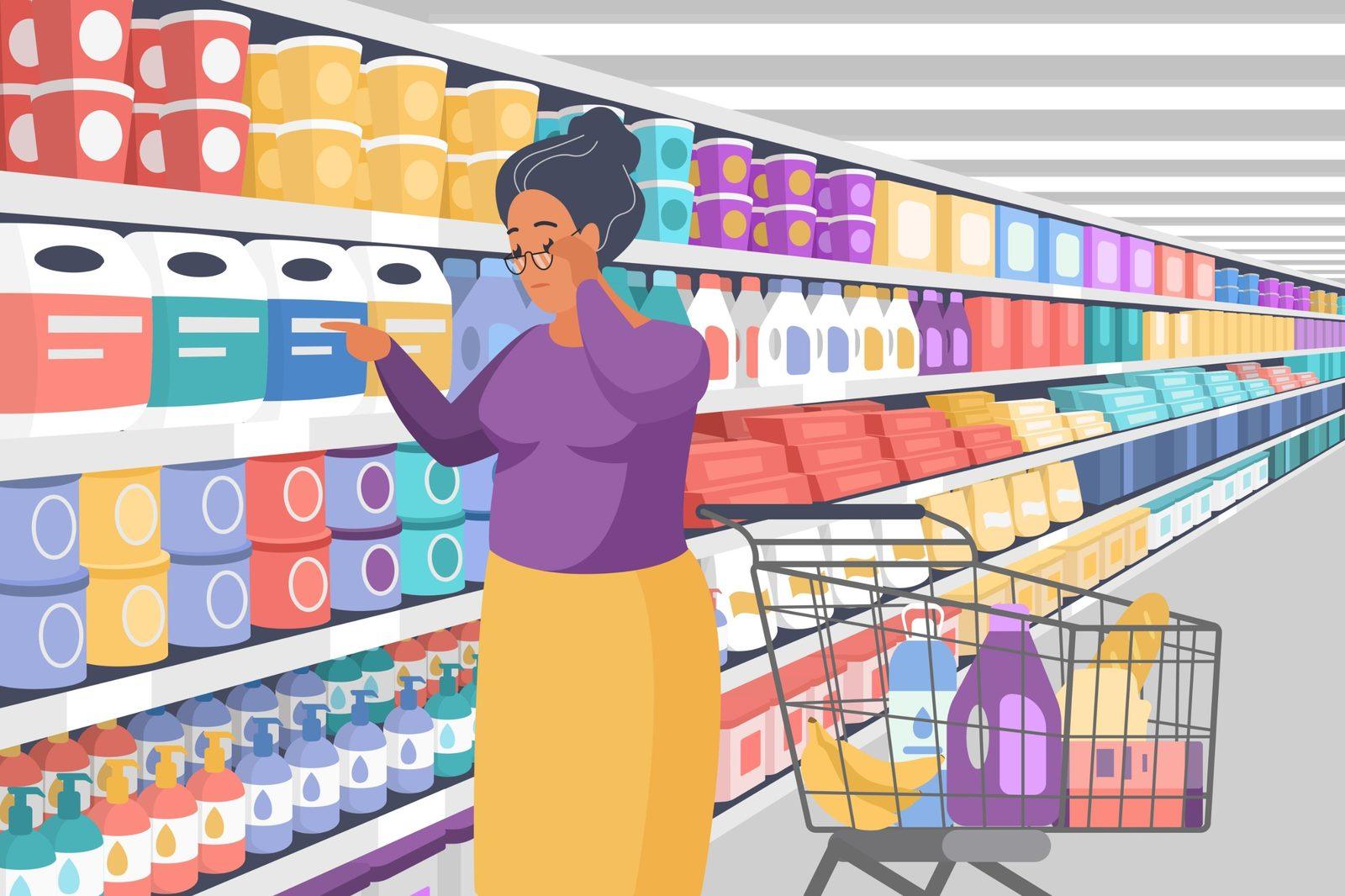
Standing in the aisle of a bustling supermarket, Maria, a 34-year-old mother of two, hesitates with a box of branded cereal in one hand and a private label alternative in the other. The branded option, a familiar name she’s trusted for years, boasts vibrant packaging and a promise of "organic whole grains with superfood chia." The private label, priced 25% lower, claims similar quality with a sleek, eco-friendly design. With grocery bills climbing—global inflation hit 35% in some markets in 2025—Maria’s choice is no longer just about taste or loyalty. It’s about value. After a moment, she places the private label cereal in her cart, swayed by the price and a newfound trust in store brands. Maria’s decision reflects a broader shift reshaping the fast-moving consumer goods (FMCG) market.
Private labels are seizing a larger share of FMCG sales, driven by inflation and evolving consumer perceptions. In 2023, they accounted for 19.4% of global FMCG value sales, with Europe leading at 38.2% in Q1 2024, up from 31.4% in 2018. Yet, branded companies like Nestlé, Unilever, and P&G are fighting back with innovation and direct consumer engagement. This article explores the inflation-driven rise of private labels and outlines eight actionable strategies for branded companies, with detailed steps and unique features to reclaim market share.
The Inflation-Private Label Surge
Inflation is fueling private label growth. With 36% of shoppers reporting worse financial conditions in 2023, and some markets facing 35% inflation in 2025, consumers like Maria prioritize affordability. Private labels, often 20–30% cheaper than national brands, are a natural choice. In Europe, private labels grew by 9.4% in value sales and 2.2% in volume in Q1 2024, outpacing branded counterparts. Countries like Switzerland (52% share), Spain (48%), and Germany (€61 billion in private label sales in 2022) highlight the trend’s strength, while emerging markets in Asia-Pacific (6.1% share) and Latin America (2.3% share) show rapid growth.
Retailers are amplifying this shift. Chains like Lidl and Aldi have invested in premium private labels—organic, vegan, or eco-friendly lines—that blur the quality gap. Globally, 96% of consumers now buy private labels for comparable quality at lower prices, a stark contrast to their budget-only image a decade ago. Retailers’ omnichannel strategies and sustainability focus, like Asda’s Just Essentials range in the UK, are making private labels a mainstay, challenging national brands to rethink their approach.
The Challenge for Branded Companies
With 63% of consumers choosing private labels for cost savings and only 25% trusting their eco-claims, national brands face a dual challenge: competing on price while reinforcing unique value. The opportunity lies in agility, trust, and direct consumer relationships. Below are eight strategies, including a deep dive into building D2C channels and securing shelf space, with detailed actionable steps and unique features to help branded companies thrive in an inflationary market.
1. Innovate with Unique Product Features
Consumers seek differentiation, and brands can deliver with proprietary features that private labels can’t replicate. For example, Nestlé’s Vital Proteins collagen peptides include clinically proven dosages for skin and joint health, a claim private label rarely matches. Coca-Cola’s plant-based beverage line with adaptogens like ashwagandha caters to wellness trends, setting it apart from generic private label sodas.
Actionable Steps:
- Conduct Trend Analysis: Use AI-driven social listening tools (e.g., Brandwatch) to identify emerging consumer preferences, such as gut-health ingredients or low-sugar snacks, within 3 months.
- Develop Proprietary Formulations: Invest in R&D to create unique ingredients, like P&G’s microencapsulated probiotics in Olay skincare, which improve shelf stability and efficacy. Aim for 2–3 new launches yearly.
- Launch Limited Editions: Introduce seasonal or trend-driven products, like Unilever’s Lipton matcha-infused iced tea for summer, to create buzz. Promote via targeted social media campaigns (e.g., TikTok challenges) to reach 40% of Gen Z.
- Patent Key Innovations: Secure patents for unique features, such as Danone’s fermented yogurt with patented bacterial strains, to block private label replication for 5–10 years.
Unique Feature Example: Develop a cereal with a proprietary “vitamin retention technology” that preserves 90% of nutrients during processing, marketed as a health advantage over private labels.
2. Lead on Sustainability with Tangible Commitments
Sustainability is a key differentiator, as only 19% of shoppers can name an eco-friendly brand, and private labels lag in perceived eco-credibility. Unilever’s commitment to 100% recyclable packaging by 2025 and ethically sourced palm oil resonates with Gen Z, who are 64% likely to buy private labels but value transparency.
Actionable Steps:
- Set Measurable Goals: Commit to specific targets, like “50% reduction in carbon emissions by 2030,” and verify with third-party certifications (e.g., B Corp). Publish annual sustainability reports to build trust.
- Adopt Eco-Friendly Packaging: Transition to compostable or refillable packaging, like L’Oréal’s refillable shampoo pods, reducing plastic use by 20%. Launch in high-margin categories first to offset costs.
- Source Locally: Partner with regional suppliers for ingredients (e.g., cocoa from sustainable African farms) to lower emissions and appeal to eco-conscious consumers. Highlight sourcing on packaging with QR codes linking to supplier stories.
- Engage Consumers: Create campaigns like P&G’s “Dawn Saves Wildlife” to tie purchases to environmental impact, donating 1% of sales to conservation. Promote via Instagram Reels to reach 30% more millennials.
Unique Feature Example: Introduce a “zero-waste” product line with biodegradable packaging and a take-back program, incentivizing returns with loyalty points.
3. Build a Direct-to-Consumer (D2C) Channel
D2C approach bypasses retailer-controlled shelf space, where private labels dominate, and builds direct relationships with consumers like Maria. In 2023, global FMCG e-commerce sales grew by 15%, with D2C channels enabling brands like Nestlé and P&G to control pricing, branding, and experience. Unilever’s Dove D2C platform offers personalized bundles and subscriptions, boosting loyalty and recurring revenue.
Actionable Steps:
- Launch an E-Commerce Platform: Build a Shopify-based website within 6 months, focusing on high-margin products like skincare or coffee. Prioritize UX design for seamless navigation.
- Personalize Offerings: Implement AI-driven tools (e.g., Dynamic Yield) to offer tailored recommendations, like Unilever’s skincare quizzes, increasing conversion rates by 10–15%.
- Leverage Social Commerce: Integrate Instagram and TikTok shops, targeting 40% of Gen Z who discover products there. Launch campaigns like Nespresso’s limited-edition capsule drops, driving 20% sales uplift.
- Optimize Logistics: Partner with third-party logistics (e.g., ShipBob) for fast delivery, meeting 68% of consumers’ same-day expectations. Negotiate bulk shipping rates to cut costs.
- Foster Community: Offer exclusive perks, like early access to products or virtual cooking classes for Knorr customers, to boost retention. Aim for 25% subscription sign-ups within year one.
Challenges and Solutions: D2C requires an upfront investment. Start with a pilot for one flagship product, using A/B testing to optimize pricing and promotions. Integrate D2C data with CRM systems (e.g., Salesforce) to enable targeted campaigns, unlike retailer-tied private labels.
Unique Feature Example: Create a subscription box with customizable snack packs, using AI to suggest flavors based on past purchases, ensuring 30% higher customer retention.
4. Premiumize with Exclusive Offerings
Private labels dominate budget segments, but premiumization is a stronghold for national brands. P&G’s SK-II skincare with patented Pitera or Nestlé’s Nespresso Vertuo with barcode-scanning pods target consumers willing to pay for quality.
Actionable Steps:
- Identify Premium Niches: Analyze consumer data to target high-income segments with products like organic baby food or artisanal sauces. Launch one premium line within 9 months.
- Enhance Packaging: Use premium materials, like glass jars for sauces, to signal quality. Test designs with focus groups to ensure 80% positive feedback.
- Offer Exclusivity: Release limited-edition products, like Mondelez’s Oreo holiday flavors, tied to cultural events. Promote via email campaigns to achieve 15% open rates.
- Build Loyalty Programs: Create tiered rewards, like P&G’s Pampers Points, offering free samples for purchases over a set threshold. Aim for 20% enrollment among existing customers.
Unique Feature Example: Launch a premium coffee line with single-origin beans and a scannable code linking to virtual farm tours, enhancing perceived value.
5. Optimize Operations for Cost Efficiency
To compete on price, brands must streamline operations. Tyson Foods’ electric fleets and supply chain automation cut costs, while monitoring out-of-stock rates ensures availability—a critical edge over private labels.
Actionable Steps:
- Implement IoT: Deploy IoT sensors in warehouses to track inventory, reducing stock outs by 10%. Roll out in key facilities within 6 months.
- Automate Supply Chains: Use predictive analytics (e.g., SAP Integrated Business Planning) to forecast demand, cutting logistics costs by 5–7%. Pilot in one region within 6 months.
- Negotiate with Retailers: Secure better shelf placement by offering co-branded promotions, like Unilever’s in-store displays, to maintain visibility.
- Reinvest Savings: Allocate cost savings to D2C or R&D, launch one new product annually to stay competitive.
Unique Feature Example: Introduce smart packaging with embedded sensors to monitor freshness, appealing to health-conscious consumers and justifying a 10% price premium.
6. Leverage Experiential Marketing
Experiential marketing creates emotional connections that private labels rarely achieve. Pepsi’s pop-up tasting events or Nestlé’s KitKat flavor workshops engage consumers directly, driving brand loyalty.
Actionable Steps:
- Host Pop-Up Events: Organize in-store or virtual tasting events, like Danone’s yogurt flavor labs, in 5 major cities within 12 months. Aim for 10% sales uplift per event.
- Create Immersive Campaigns: Develop AR apps, like L’Oréal’s virtual makeup try-ons, to engage 25% more online shoppers. Launch within 9 months using existing tech partners.
- Partner with Influencers: Collaborate with micro-influencers (10K–50K followers) on platforms like TikTok to showcase products, aiming for 1 million views per campaign.
- Measure Impact: Use analytics tools (e.g., Google Analytics 4) to track engagement, targeting a 15% increase in brand recall within 6 months.
Unique Feature Example: Launch an AR app for cereal boxes that unlocks interactive recipes or games, increasing engagement by 20% among families.
7. Invest in Health and Wellness Trends
Health-conscious consumers, especially millennials, drive demand for functional foods and wellness products. Kellogg’s protein-packed cereals or Danone’s gut-health yogurts align with these trends, outpacing private label offerings.
Actionable Steps:
- Develop Functional Products: Launch products with clinically backed benefits, like probiotics or omega-3s, within 12 months. Partner with suppliers like Chr. Hansen for high-potency ingredients.
- Certify Claims: Obtain certifications (e.g., non-GMO Project) to validate health claims, increasing trust by 30%. Display certifications prominently on packaging.
- Target Niche Diets: Introduce vegan or keto-friendly lines, like Mondelez’s plant-based snacks, to capture 15% of the growing health market.
- Educate Consumers: Create content hubs (e.g., blogs, videos) on health benefits, like Nestlé’s nutrition guides, driving 10% more website traffic.
Unique Feature Example: Offer a yogurt with a proprietary probiotic blend for immunity, backed by clinical trials, to command a 15% price premium.
8. Secure Shelf Space and In-Store Presence
Private labels benefit from retailers’ control over shelf space, but national brands can negotiate strategic placements to maintain visibility. For example, Unilever’s Hellmann’s mayonnaise secures prime eye-level shelf space through co-branded promotions with retailers like Tesco, driving 15% higher sales. Coca-Cola’s in-store displays with interactive QR codes linking to loyalty programs increase impulse purchases by 10%.
Actionable Steps:
- Negotiate Strategic Placements: Partner with retailers to secure endcap or eye-level shelf space, offering trade promotions (e.g., buy-one-get-one deals) to incentivize retailers. Target 20% more shelf space in key stores within 6 months.
- Invest in In-Store Displays: Create interactive displays, like P&G’s Ariel pods with touchscreens showing stain-removal demos, to attract 25% more shopper attention. Roll out in 10 major retail chains within 9 months.
- Leverage Category Management: Collaborate with retailers to become category captains, like Nestlé for breakfast cereals, advising on product placement to boost overall category sales by 5–10%.
- Enhance Visual Merchandising: Use vibrant, story-driven packaging with QR codes linking to product stories or recipes, as Mondelez does with Oreo, to increase dwell time by 15%.
Unique Feature Example: Develop a modular in-store display with LED lighting and scannable codes offering instant coupons, boosting in-store conversions by 12%.
The Road Ahead
Private labels, fueled by inflation and retailer ambition, are a formidable force, with a 19.4% global FMCG share in 2023 and 38.2% in Europe in Q1 2024. Yet, national brands hold the upper hand in agility and trust. By innovating with unique features, leading on sustainability, building D2C channels, premiumizing offerings, optimizing operations, leveraging experiential marketing, targeting health trends, and securing shelf space, brands can turn inflation’s challenge into an opportunity.
For consumers like Maria, the in-store choice reflects a broader battle. A D2C approach, paired with unique features like AR apps or strategic in-store displays, offers brands control over pricing and consumer relationships. Brands like Unilever and Nestlé show how direct channels and differentiation outmaneuver private labels. As inflation reshapes behavior, branded companies that act decisively—blending value, quality, and engagement—will thrive.
References
- Euromonitor International. (2024). Private Label in Western Europe: Opportunities in a Slowing Market.
- NielsenIQ.(2023). Global Consumer Insights: FMCG Trends and Private Label Growth.
- Kantar Worldpanel. (2024). FMCG Market Share Data: Q1 2024 Update.
- McKinsey & Company. (2023). The Rise of D2C in FMCG: Strategies for Success.